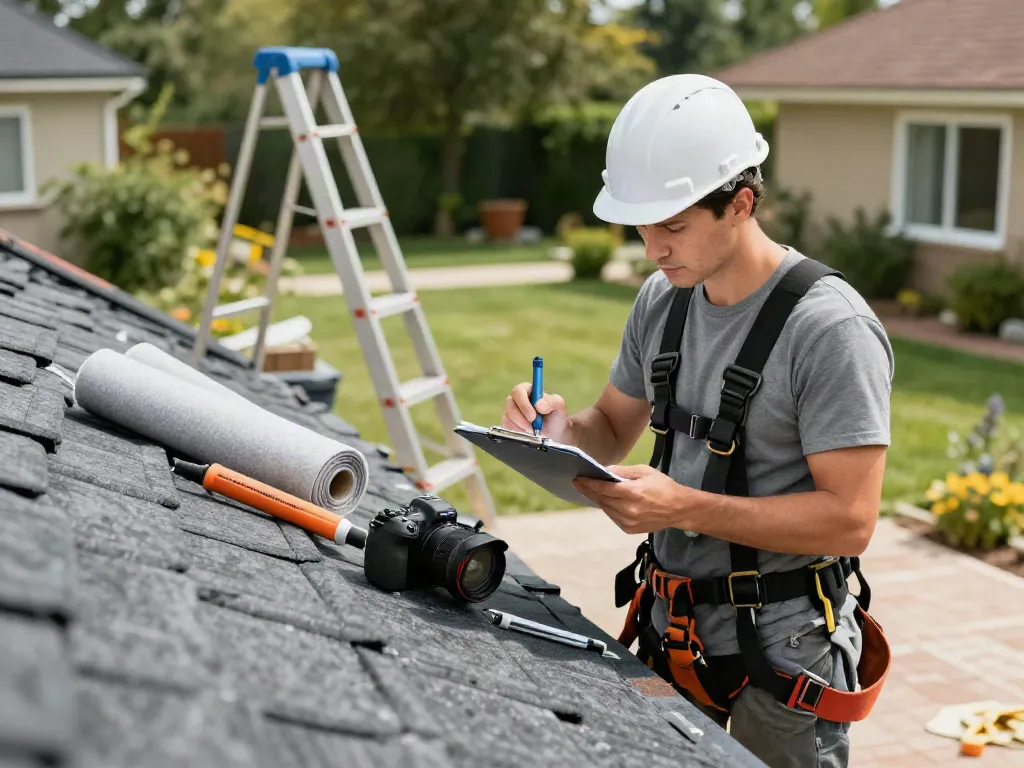
Understanding Felt Roofing: Benefits and Features
Felt roofing has emerged as a popular choice for flat and low-pitched roofs, offering a cost-effective and reliable solution for homeowners seeking durability and protection against the elements. This roofing method, traditionally associated with garages and extensions, has undergone significant advancements, making modern felt roofs more resilient and long-lasting. When exploring options, felt roofing provides comprehensive insights into the best practices, materials, and professionals available in your area.
What is Felt Roofing?
Felt roofing involves the application of a flexible, waterproof membrane to a roof structure, typically using layers of modified bitumen or asphalt. This method is ideal for flat and low-pitched roofs where other roofing materials might not be suitable. The installation process usually includes the layering of felt sheets, which can be secured using adhesives, nails, or torching, depending on the specific requirements and desired durability.
Key Advantages of Felt Roofing for Homeowners
- Cost-Effectiveness: One of the most significant benefits of felt roofing is its affordability. Compared to traditional roofing systems, felt roofs are less expensive, making them an appealing option for budget-conscious homeowners.
- Ease of Installation: Felt roofing can be installed swiftly and efficiently, minimizing disruption to your daily routine. Professional roofers can often complete a felt roofing project in a matter of days.
- Durability: Modern felt roofing systems are designed to withstand various weather conditions, offering superior protection against rain, snow, and UV rays, which can prolong the lifespan of your roof.
- Low Maintenance: Once installed, felt roofs require minimal maintenance. Occasional inspections and minor repairs can help extend their life further.
Common Types of Felt Roofing Materials
There are several types of materials used in felt roofing, each with its specific characteristics and applications:
- Bitumen Felt: This is the most commonly used material in felt roofing, available in torch-on and self-adhesive varieties.
- Reinforced Felt: Reinforced felt has an added layer of fiberglass or polyester, improving its strength and durability.
- Modified Bitumen: This type of felt has been modified with polymers for enhanced flexibility and UV resistance, making it suitable for varying climates.
Choosing the Right Felt Roofing Specialist
Finding a trustworthy and skilled felt roofing specialist is crucial for ensuring the longevity and effectiveness of your roofing system. Here are essential factors to consider when selecting a professional:
How to Find Trusted Felt Roofing Experts Near You
The internet provides a wealth of resources for locating local roofing professionals. You can leverage platforms like Felt-Roof.co.uk to connect with qualified roofers who specialize in felt roofing. Look for reviews and ratings, and don’t hesitate to ask for recommendations from neighbors or family.
Evaluating Insurance and References: What to Look For
Before hiring a roofing contractor, ensure they have adequate insurance coverage. This will protect you from potential liability should any accidents occur during the project. Additionally, request references or testimonials from previous clients to gauge the contractor's reliability and quality of work.
Red Flags When Hiring a Roofing Contractor
Be vigilant when interviewing potential contractors for your felt roofing project. Some common red flags include:
- Unverifiable Credentials: Always verify licenses and insurance coverage before hiring a contractor.
- Unclear Quotes: A reputable roofer should provide a detailed written estimate outlining the work scope, materials, costs, and timeline.
- High-Pressure Sales Tactics: Be wary of roofers who pressure you into making quick decisions without allowing you to review your options carefully.
Modern Felt Roofing Systems: Innovations and Improvements
Recent advancements in felt roofing technologies have transformed traditional methods into highly efficient and sustainable systems. Understanding these innovations can help homeowners choose the best solutions for their needs.
Overview of Contemporary Felt Roofing Technologies
Modern felt roofing systems often include advanced materials like polymer-modified bitumen and heat-resistant additives. These innovations enhance the overall resilience of the roof, making it capable of withstanding extreme weather and temperature fluctuations.
Understanding the Installation Process for Modern Systems
The installation process for modern felt roofing systems typically involves several stages:
- Preparation of the roof deck to ensure it is clean and structurally sound.
- Installation of a vapor barrier to prevent moisture buildup beneath the roofing material.
- Layering of the felt sheets using either torch-on or self-adhesive methods, ensuring proper overlaps.
- Sealing all joints and edges to create a continuous waterproof barrier.
Comparing Traditional vs. Innovative Felt Roofing Solutions
While traditional felt roofing has served homeowners well, innovations in materials and techniques offer several advantages, such as improved energy efficiency, longer life expectancy, and reduced environmental impact. Understanding these differences can help you make an informed decision.
Maintaining and Repairing Your Felt Roof
Regular maintenance of your felt roof can prevent minor issues from turning into significant problems. Here’s how to keep your roof in excellent condition:
Identifying Common Issues in Felt Roofing
Common problems that may occur with felt roofing include:
- Blistering: Trapped moisture can cause blisters to form on the surface.
- Cracks and Tears: Over time, felt may crack or tear due to age and exposure to the elements.
- Water Pooling: Improper drainage can lead to water pooling, which can weaken the roofing material and cause leaks.
Step-by-Step Guide to Minor Repairs
To address minor issues with your felt roofing, follow these steps:
- Identify the problem area and assess the extent of the damage.
- For small tears, clean the area and apply a patch using a compatible roofing adhesive.
- For blistering, carefully puncture the blister to release trapped air, then apply a patch over the area to seal it.
When to Consider Full Replacement vs. Repair
If your felt roofing system shows significant wear or if the damage is extensive, it may be more cost-effective to replace the entire roof rather than performing repeated repairs. A professional roofer can provide you with an accurate assessment and recommendations based on the condition of your roof.
Future Trends in Felt Roofing: What’s Next?
As technology continues to evolve, the felt roofing industry is poised to adopt new materials and techniques that enhance performance and sustainability. Here’s what to look forward to in the coming years:
Emerging Technologies in Roofing Materials
Innovative roofing materials, including bio-based felt options and enhanced insulation systems, are being developed to meet growing environmental concerns and energy efficiency standards. These technologies will provide homeowners with more sustainable choices.
Predicted Changes in Market Demands by 2026
As environmental awareness increases, the demand for eco-friendly roofing solutions, including those featuring recycled materials and lower carbon footprints, is expected to rise. Anticipating these market shifts can help homeowners make informed decisions about their roofing options.
Environmental Considerations for Sustainable Roofing
Homeowners are increasingly seeking roofing solutions that minimize environmental impact. This includes choosing materials with longer lifespans, lower maintenance requirements, and recyclability. By adopting sustainable practices, the roofing industry can contribute to broader environmental goals.
What Are the Latest Innovations in Felt Roofing?
Innovations such as self-healing materials and advanced UV protection layers are making felt roofing more reliable and longer-lasting. These technologies reduce the need for frequent repairs and replacements, ultimately saving homeowners money over time.
Will Felt Roofing Remain Popular in the Future?
With ongoing innovations and the adaptability of felt roofing to contemporary design and ecological standards, it is likely to remain a popular choice among homeowners. Its versatility and affordability will continue to make it relevant in the UK roofing landscape.