The Importance of Utility Surveys in Surrey
Utility surveys play a critical role in today’s construction and civil engineering projects, particularly in Surrey, where the complexity of underground utilities can significantly impact project timelines and costs. Understanding the landscape of buried services is essential for mitigating risks and ensuring the safety of both workers and the public. With the ongoing urban development and infrastructure improvements, the demand for qualified Utility Surveyors Surrey is at an all-time high. This article explores the fundamentals of utility surveying, the benefits it provides to construction endeavours, and how it aligns with local regulations.
Understanding Utility Surveying
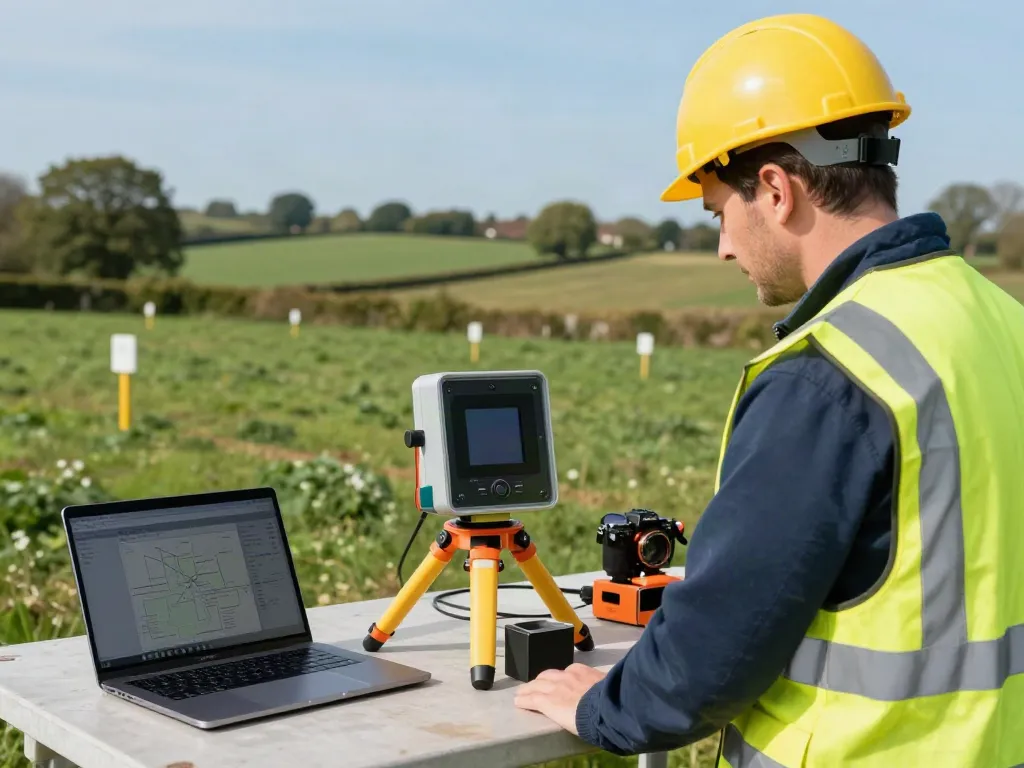
Utility surveying involves the identification, mapping, and assessment of underground utilities such as gas, water, sewage, electricity, and telecommunications. It employs various techniques, including conventional surveys, Ground Penetrating Radar (GPR), and electromagnetic locating. Surveyors gather precise data on the location and depth of utilities, which is crucial for planning and executing construction projects without costly interruptions. Failure to conduct thorough surveys can lead to damaging existing infrastructures, resulting in legal liabilities and delayed project timelines.
Key Benefits for Construction Projects
- Risk Mitigation: Identifying the location of underground utilities reduces the risk of accidental strikes during excavation and construction.
- Cost-Effective Planning: An accurate utility survey allows for better project planning, optimising the use of resources and reducing unexpected costs.
- Enhanced Safety: Ensuring that all utilities are accounted for enhances the safety of the site, protecting workers and the public from hazards.
- Regulatory Compliance: Conducting utility surveys ensures that construction projects comply with local regulations, avoiding potential fines and legal issues.
Local Regulations and Compliance in Surrey
In Surrey, utility surveying must comply with various national and local regulations, including the PAS 128, which sets a standard for the process of utility mapping. Surveyors must stay informed about any updates to these regulations to ensure their work meets the highest standards of accuracy and reliability. Local authorities may have specific requirements regarding the documentation and reporting of underground utilities, which adds another layer of responsibility to the surveying process.
Advancements in Technology for Utility Surveyors
The field of utility surveying has evolved dramatically with advancements in technology. Modern techniques enable surveyors to deliver data that is not only more precise but also more comprehensive than ever before.
Ground Penetrating Radar: A Game Changer
Ground Penetrating Radar (GPR) is a revolutionary technology that has transformed utility surveying. It uses radar pulses to image the subsurface, allowing surveyors to detect and map utilities without the need for excavation. GPR is particularly advantageous in urban areas where the risk of damaging existing services is high. This non-invasive method enhances the visibility of buried utilities and can also identify voids, making it invaluable for assessing the integrity of existing infrastructure.
Integrating GIS in Mapping Utilities
Geographic Information Systems (GIS) technology offers powerful tools for mapping and managing utility survey data. By integrating GIS, utility surveyors can create detailed maps that show the exact location of utilities in relation to other geographical features. This integration facilitates better decision-making in project planning and enhances collaboration among stakeholders. With GIS, teams can visualise data in real-time, improving the efficiency of both planning and execution phases.
Future Technologies on the Horizon for 2026
As we move towards 2026, several emerging technologies promise to further enhance the utility surveying process. These include artificial intelligence (AI) for data analysis, drones for aerial surveys, and improved mobile applications for field data collection. Each of these technologies can potentially increase the speed and accuracy of surveys, making them more responsive to the evolving needs of the construction industry.
Common Challenges Faced by Utility Surveyors
Managing Public Safety and Disruptions
Utility surveyors face significant challenges, particularly when working in densely populated urban areas. Managing public safety and minimising disruptions during surveying activities is critical. Surveyors must implement effective communication strategies to inform the public about ongoing work and any potential impacts. This is especially important in sites near schools, hospitals, and busy thoroughfares.
Working with Outdated Infrastructure Data
Another challenge utility surveyors encounter is the reliance on outdated or inaccurate infrastructure data. Much of the existing data can be incomplete or poorly documented, leading to difficulties when attempting to locate buried utilities accurately. Surveyors must validate and supplement existing information through fieldwork and GPR, which adds time and costs to projects. Continuous collaboration with utility companies is essential to ensure access to the most current data available.
Cost and Time Management Strategies
Effective cost and time management is vital for utility surveying projects, as delays can lead to significant financial repercussions. Surveyors can employ several strategies to enhance efficiency, such as optimising the survey schedule to minimise downtime and utilising technology to streamline data collection and reporting processes. Training staff on best practices and the latest technologies can also improve overall project outcomes.
Best Practices for Conducting Utility Surveys
Pre-Survey Planning Techniques
Thorough pre-survey planning is crucial for the success of utility surveys. This involves conducting a risk assessment, reviewing existing site plans, and liaising with local utility companies to gather information on known services. Engaging stakeholders early can help identify potential challenges and streamline the surveying process.
Execution: Ensuring Accuracy and Safety
During the execution phase, it is essential to adhere to established protocols to ensure both accuracy and safety. This includes using calibrated equipment, conducting surveys in accordance with current regulations, and employing qualified personnel. Safety should be a paramount concern, with appropriate measures taken to protect both workers and the public during the survey.
Post-Survey Data Analysis and Reporting
Once the survey is complete, the data must be meticulously analysed and compiled into a report that meets regulatory standards. This report serves as a crucial document for project stakeholders, providing them with detailed information about the location and condition of underground utilities. Effective communication of this data is vital to ensure that all parties are informed and can make decisions based on accurate information.
Future Trends for Utility Surveyors in 2026
Emerging Best Practices and Standards
As technology continues to advance, utility surveyors will need to adapt to emerging best practices and standards. This includes incorporating new technologies into their workflows and staying informed about regulatory changes that affect survey methodologies. Continued professional development and training will be essential to maintain high standards within the industry.
Anticipating Changes in Local Legislation
Utility surveyors must remain vigilant regarding potential changes in local legislation affecting surveying practices in Surrey. Understanding these changes will allow surveyors to maintain compliance and avoid potential pitfalls in project execution. Engaging with local authorities can provide insights into upcoming regulations and how they may impact future surveys.
Sustainability and Environmental Considerations
As the focus on environmental sustainability grows, utility surveyors will need to consider factors such as the ecological impact of their activities. Implementing sustainable practices, such as minimising disturbance to local ecosystems during surveys, will become increasingly important. Surveyors should also keep abreast of environmental regulations that may influence their work.
What is a utility survey?
A utility survey is a comprehensive assessment of underground utilities, including their location, type, and condition. This type of survey is crucial for any construction or excavation project, as it helps avoid damaging existing services.
How much is a surveyor's fee?
The fees for utility surveys can vary significantly depending on factors such as the complexity of the project, the technology used, and the region. In Surrey, costs can range from a few hundred to several thousand pounds, depending on the specific requirements.
What are two main types of surveyors?
The two main types of surveyors are land surveyors and utility surveyors. Land surveyors focus on the measurement and mapping of land, while utility surveyors specialise in the identification and mapping of underground utilities.
Will surveying be replaced by AI?
While AI is expected to enhance many aspects of surveying, it is unlikely to completely replace human surveyors. AI can automate data analysis and improve accuracy, but the experience and judgement of trained professionals remain irreplaceable.
What are the technology trends in surveying?
Current technology trends in surveying include the adoption of drones for aerial surveys, enhanced use of 3D scanning, and the integration of GIS into surveying processes. These technologies improve accuracy, efficiency, and the quality of data collected during surveys.